
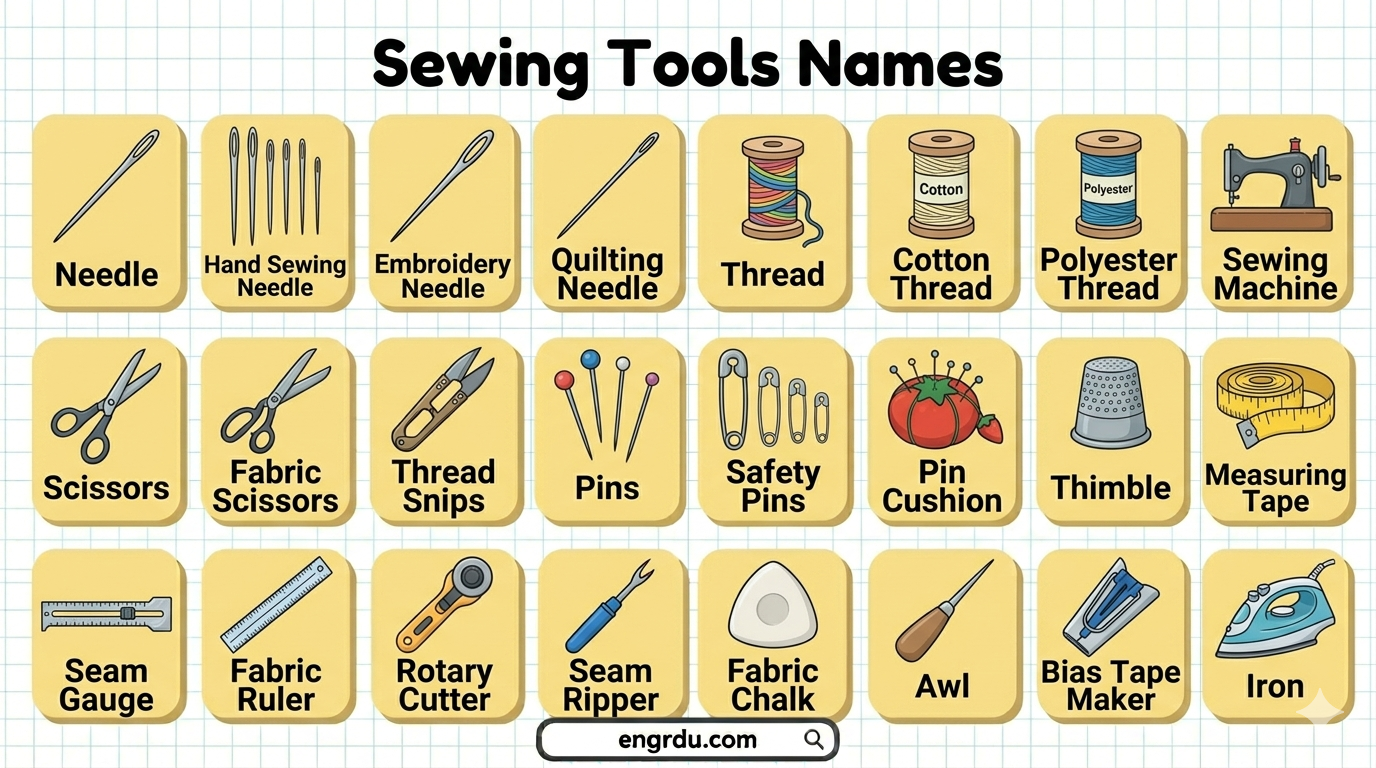

Sewing tools names and terms in English are useful for anyone who wants to talk about stitching, fabric, clothes, or tailoring. In sewing, people use different tools to measure cloth, cut fabric, hold pieces together, and make stitches by hand or machine. This lesson explains common sewing words in easy English, with picture ideas so learners can connect each tool with its real shape. These words are helpful in sewing class, at home, in a tailor shop, and while following clothing repair instructions.
What Are Sewing Tools?
Sewing tools are the instruments and equipment used to make, repair, alter, or decorate clothing and fabric items. Each tool has a specific purpose, from cutting fabric to measuring, stitching, and marking patterns.
Knowing these names in English helps learners understand sewing instructions and communicate more confidently in workshops, classes, and everyday conversations.
Sewing Tools Names in English with Pictures
Below is a list of common sewing tools and their English names, explained briefly:
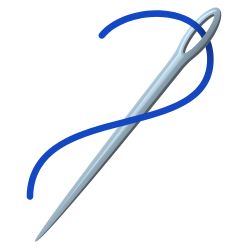
Needle
Small stitches can be made with a needle. It passes thread through fabric to join pieces together. Hand sewing and embroidery often require this tool.
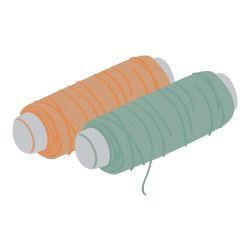
Thread
Fabric pieces stay connected with thread. It creates strong stitches and holds seams in place. Different colors are used to match different fabrics.
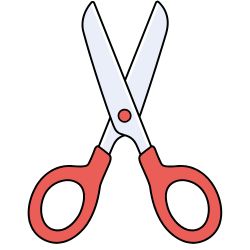
Scissors
Cutting fabric becomes easier with scissors. They create clean edges and accurate shapes. Almost every sewing project starts with them.
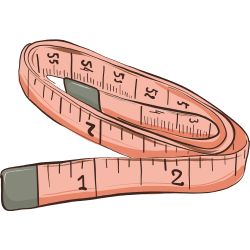
Measuring Tape
Accurate measurements are important before cutting fabric. A measuring tape helps check body sizes and fabric lengths. It is commonly used when making clothes.
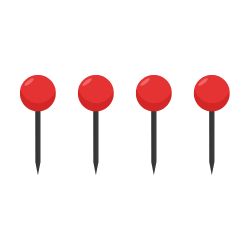
Pins
Keeping fabric pieces in position can be difficult while sewing. Pins hold layers together temporarily. This helps prevent fabric from moving during stitching.
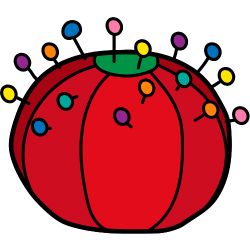
Pin Cushion
Loose pins can easily get lost or cause injuries. A pin cushion keeps them organized and within reach. It also makes the work area safer.
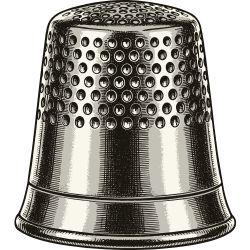
Thimble
Pushing a needle through thick fabric can hurt your finger. A thimble protects the fingertip during sewing. It is especially useful for hand stitching.
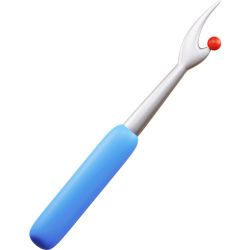
Seam Ripper
Mistakes happen during sewing. A seam ripper removes unwanted stitches quickly and neatly. It helps correct errors without damaging the fabric.
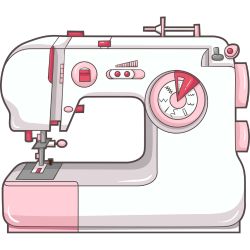
Sewing Machine
Large sewing projects can take a long time by hand. A sewing machine speeds up the stitching process. It creates strong and even stitches in less time.
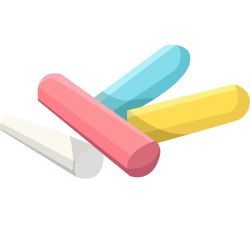
Chalk
Pattern lines need to be marked before cutting or sewing. Chalk makes temporary marks on fabric. These marks can usually be removed after the work is finished.
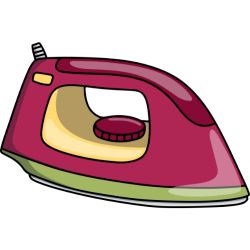
Iron
Wrinkled fabric can affect the final result. An iron smooths the material and creates neat seams. It is often used before and after sewing.
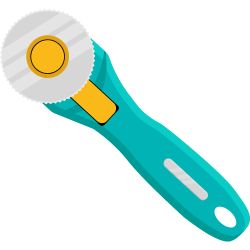
Rotary Cutter
Straight and precise cuts are easier with a rotary cutter. Its sharp circular blade moves smoothly across fabric. It is popular for quilting and pattern cutting.
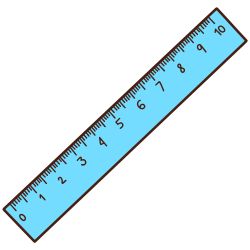
Ruler
Drawing straight lines becomes much easier with a ruler. It helps measure and mark fabric accurately. Many sewing patterns require it for precise work.
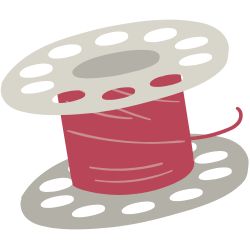
Bobbin
A sewing machine needs thread on both the top and bottom. A bobbin holds the lower thread inside the machine. It helps create balanced stitches.
Pattern Paper
Clothing designs are usually planned before cutting fabric. Pattern paper is used to draw and trace garment shapes. It helps ensure accurate cutting and fitting.
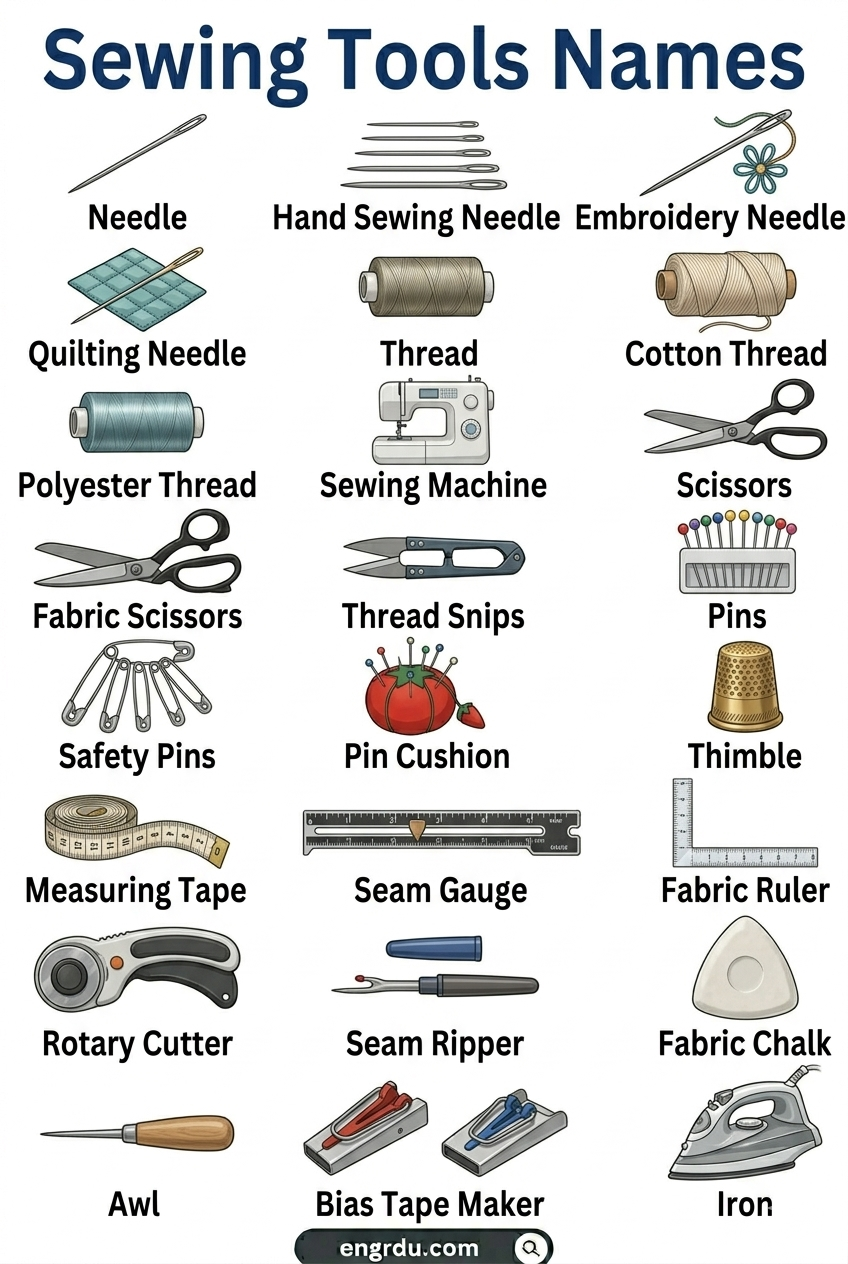
Sewing Tools Names with Pictures
Cutting Tools Used in Sewing
Cutting tools help create accurate fabric pieces before stitching begins.
Fabric Scissors
Fabric scissors are designed specifically for cutting cloth. They provide clean and smooth cuts.
Example: She used fabric scissors to cut the cotton material.
Rotary Cutter
A rotary cutter has a circular blade that rolls across fabric.
Example: The rotary cutter made straight cuts quickly.
Pinking Shears
Pinking shears have zigzag blades that help reduce fabric fraying.
Example: Use pinking shears to finish the edge neatly.
Measuring Supplies Used in Sewing
Accurate measurements are necessary for well-fitting clothes and neat projects.
Measuring Tape
A measuring tape is flexible and commonly used for body measurements.
Example: The tailor wrapped the measuring tape around the waist.
Sewing Gauge
A sewing gauge measures small distances and hems.
Example: She checked the hem length with a sewing gauge.
Ruler
Rulers help draw straight lines and mark patterns.
Example: Use a ruler to create a straight cutting line.
Marking Equipment for Sewing Projects
Marking tools allow sewers to transfer measurements and pattern details onto fabric.
Tailor’s Chalk
Tailor’s chalk leaves temporary marks that can be removed later.
Example: Mark the pocket position with tailor’s chalk.
Fabric Marker
Fabric markers create visible guidelines on cloth.
Example: The pattern lines were drawn using a fabric marker.
Tracing Wheel
A tracing wheel transfers pattern markings onto fabric.
Example: The tracing wheel copied the pattern accurately.
Stitching and Repair Tools with Functions
These tools help join fabric pieces and fix sewing mistakes.
Needle
The needle passes thread through fabric to create stitches.
Example: She threaded the needle carefully.
Thread
Thread holds fabric pieces together.
Example: Choose a thread color that matches the fabric.
Thimble
A thimble protects your finger while pushing a needle.
Example: The thimble prevented finger injuries.
Seam Ripper
A seam ripper removes stitches without damaging fabric.
Example: He used a seam ripper to correct the mistake.
Sewing Machine Accessories and Their Functions
Many sewing projects rely on machines and their accessories.
| Accessory | Function |
|---|---|
| Bobbin | Holds lower thread |
| Presser Foot | Holds fabric in place |
| Needle Plate | Supports fabric movement |
| Foot Pedal | Controls machine speed |
| Spool Pin | Holds thread spool |
| Feed Dogs | Move fabric through machine |
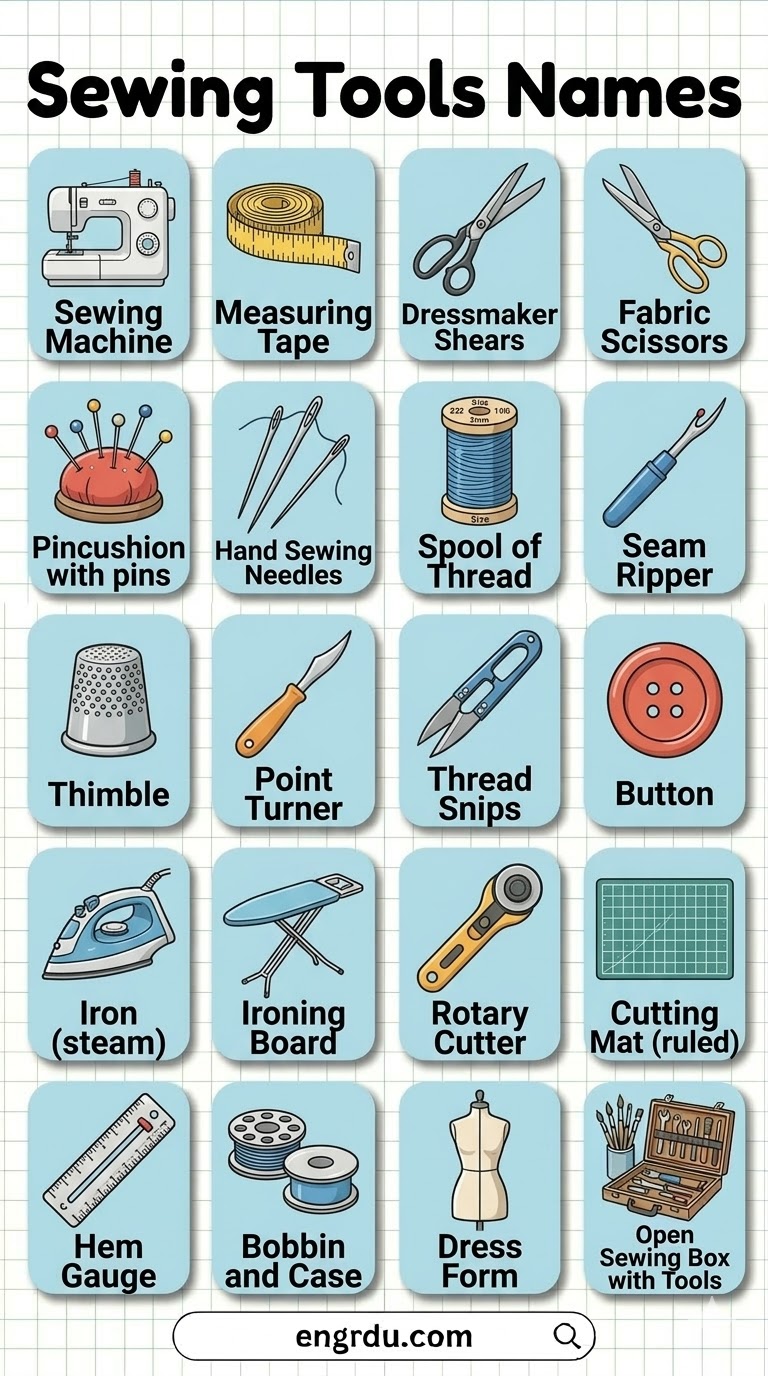
Sewing Tools Names
Common Sewing Terms Related to Tools
When learning sewing tool names, you may also hear these related terms:
- Pattern
- Seam
- Hem
- Stitch
- Fabric
- Bobbin
- Pleat
- Zipper
- Elastic
- Patchwork
- Embroidery
- Tailoring
Tips to Remember Sewing Vocabulary
Learning vocabulary becomes easier when you connect words with actions and objects.
Try these techniques:
- Label sewing tools at home in English.
- Watch sewing videos with English subtitles.
- Create flashcards with pictures.
- Practice using each word in a sentence.
- Group tools by their function.
- Review vocabulary regularly.
FAQs about Sewing Tools
What are the most common sewing tools names in English?
The most common sewing tools include needle, thread, scissors, measuring tape, pins, thimble, chalk, seam ripper, and sewing machine.
Why is a seam ripper used in sewing?
A seam ripper removes unwanted stitches without damaging fabric, making it useful for correcting mistakes during sewing projects.
What is the difference between fabric scissors and regular scissors?
Fabric scissors are designed specifically for cloth and produce cleaner cuts, while regular scissors may damage fabric edges.
Which tool is used to measure fabric?
A measuring tape is commonly used to measure fabric lengths, body sizes, and garment dimensions accurately.
What tool protects fingers during hand sewing?
A thimble protects the finger from needle pressure and helps push the needle through thick fabrics safely.
What is a bobbin in a sewing machine?
A bobbin is a small spool that holds the lower thread inside a sewing machine and works with the upper thread.
Which sewing tool is used for marking fabric?
Tailor’s chalk and fabric markers are commonly used to create temporary marks and pattern lines on fabric.
How can I learn sewing tools vocabulary faster?
Practice with labeled pictures, flashcards, sewing tutorials, and example sentences to build stronger word recognition and recall.
Related Articles:
- 42 Plumbing Tools Names and Pictures
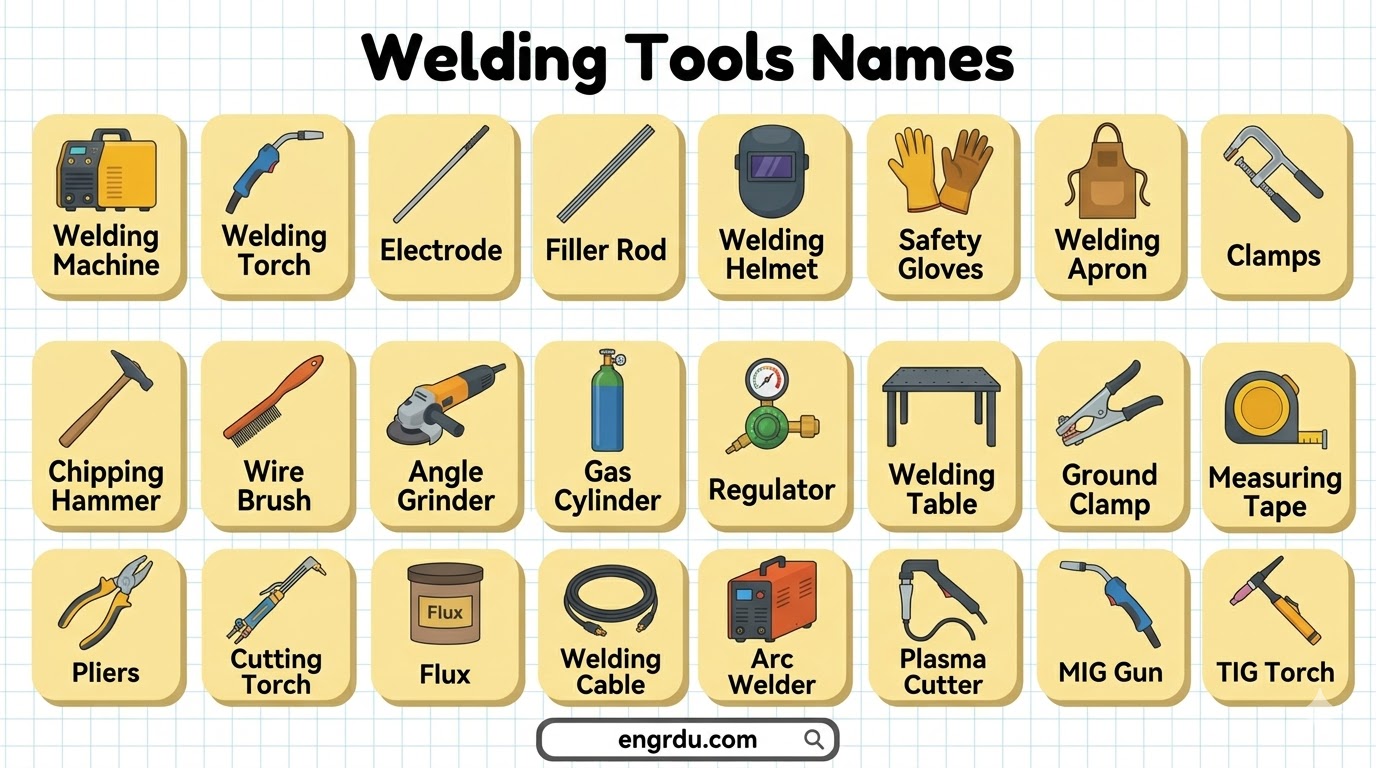
- Welding Tools Names and Pictures
- Tree Cutting Tools Names and Pictures
Conclusion
Learning Sewing Tools Names helps English learners understand sewing instructions, fashion vocabulary, and tailoring conversations more confidently. From needles and threads to measuring tapes and sewing machines, each tool plays an important role in creating clothing and fabric projects. With regular practice and visual learning, these terms quickly become part of your everyday English vocabulary.

Leave a Comment