
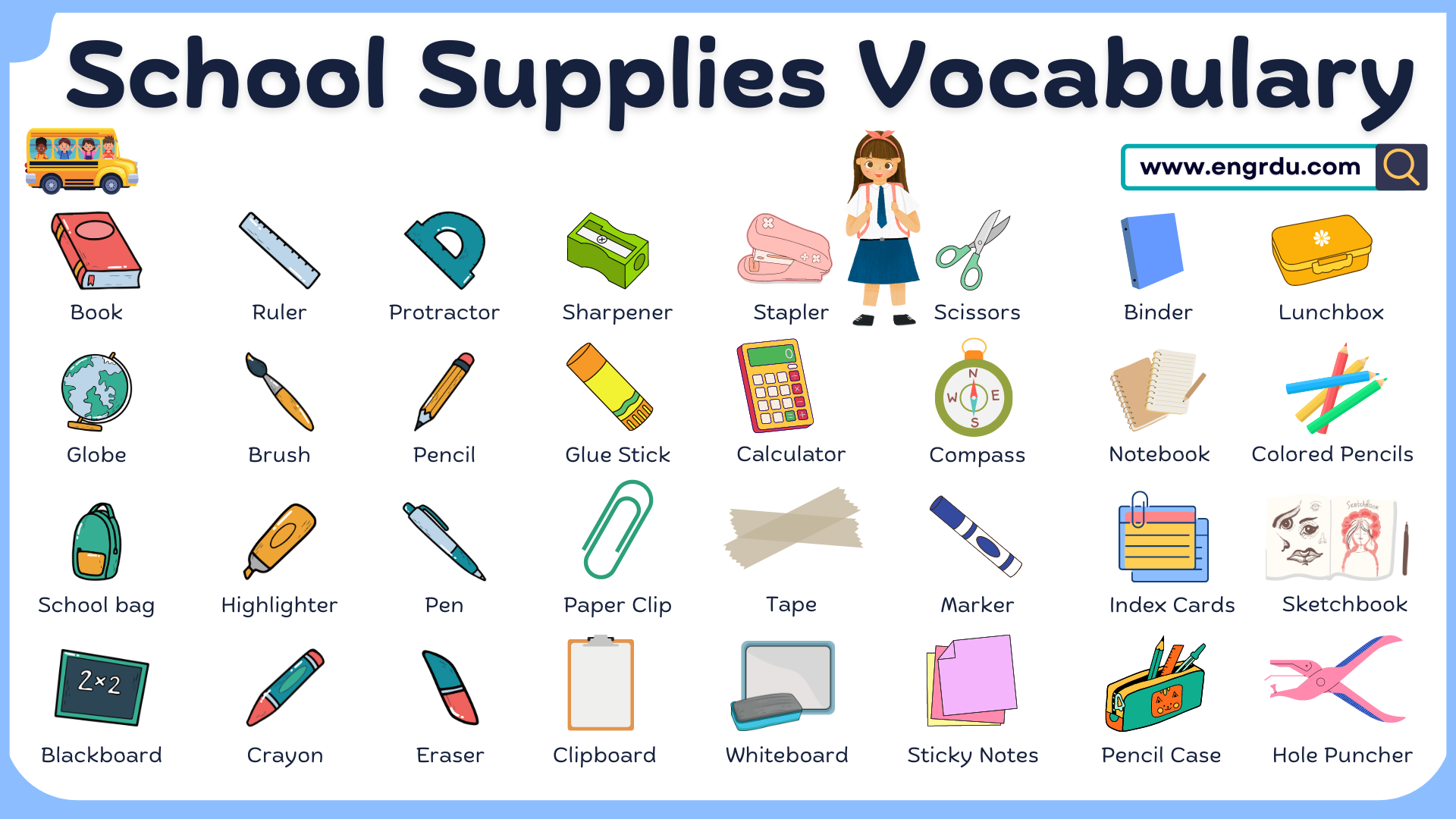

Have you ever looked around your classroom and wondered how to name every school item in English? Learning school supplies vocabulary helps you understand classroom instructions, talk about your studies, and describe everyday stationery items with confidence.
From pencils and notebooks to calculators and geometry tools, these classroom objects appear in school life every day. Learning their names with pictures and examples makes them easier to remember and use in conversations.
What Are School Supplies?
School supplies are the tools and materials students use for learning, writing, drawing, organizing, and completing classroom activities.
These items are also called classroom objects, stationery items, school materials, and educational supplies.
Why Learn School Supplies Vocabulary?
Knowing the names of classroom items helps you understand teachers, school instructions, and educational content more easily.
Benefits include:
- Better English vocabulary
- Easier classroom communication
- Improved speaking skills
- Better understanding of lessons
- More confidence in daily conversations
List of School Items Names for Kids
- Pencil
- Pen
- Eraser
- Sharpener
- Ruler
- Compass
- Protractor
- Crayons
- Markers
- Highlighter
- Notebook
- Binder
- Folder
- Glue Stick
- Scissors
- Calculator
- Backpack
- Lunchbox
- Stapler
- Paper Clips
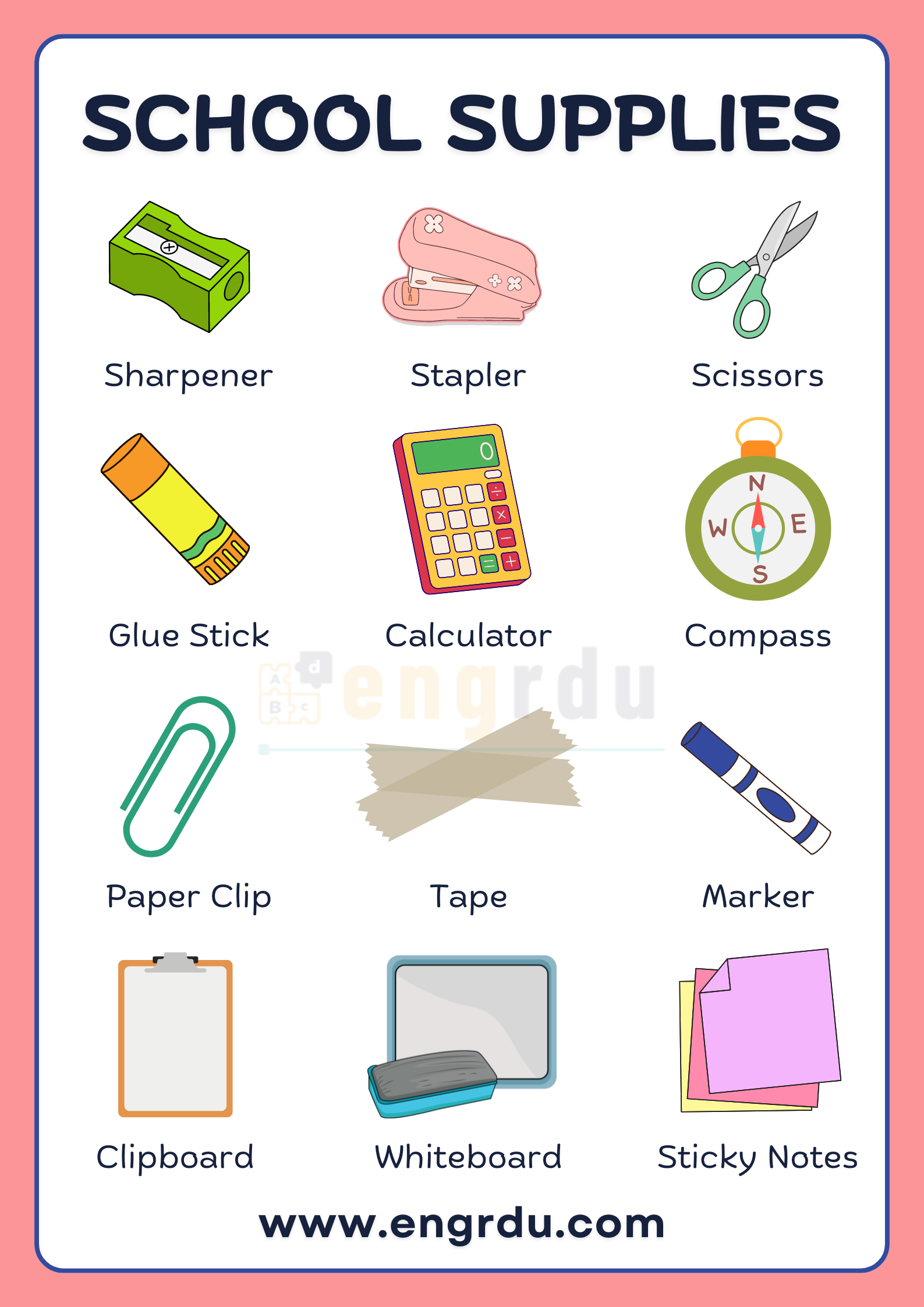
School Objects Vocabulary For Children
Basic Classroom Objects with Pictures
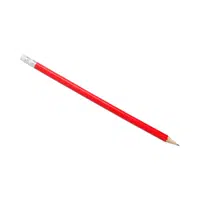
Pencil: Writing and drawing become easier with a pencil.
Mistakes can be erased quickly when needed. Students use it daily for classwork and homework.
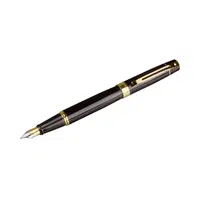
Pen: Many students prefer a pen for neat and permanent writing.
The ink creates clear and readable text. It is commonly used during exams and assignments.
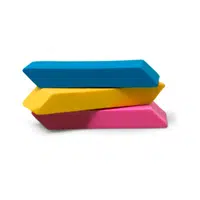
Eraser: Everyone makes mistakes while writing.
An eraser removes unwanted pencil marks cleanly. It helps keep work neat and tidy.
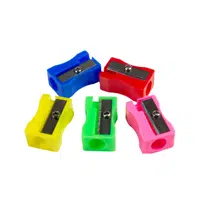
Sharpener: A dull pencil can make writing difficult.
A sharpener creates a fine pencil point quickly. It is often kept inside a pencil case.
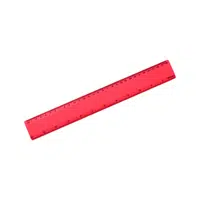
Ruler: Straight lines are easier to draw with a ruler.
It also helps measure length and distance accurately. Math and drawing classes often require it.
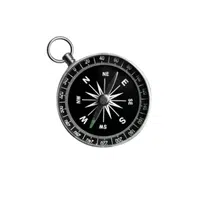
Compass: Perfect circles can be drawn using a compass.
It helps create accurate shapes for geometry work. Students often use it in mathematics lessons.
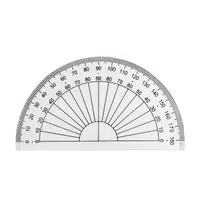
Protractor: Measuring angles becomes much easier with a protractor.
It helps students understand geometry concepts. It is commonly used in math classes.
Uses of Stationery Items for Every Day
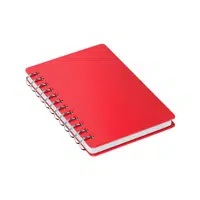
Notebook: Important notes and assignments are usually written in a notebook.
It helps students keep information organized. Almost every school subject requires one.
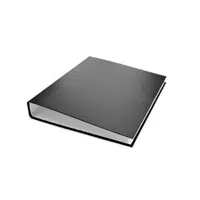
Binder: Keeping papers in order becomes easier with a binder.
It prevents worksheets from getting lost. Many students use it for multiple subjects.
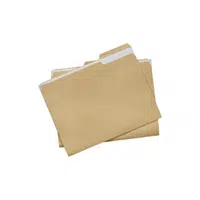
Folder: Loose papers can quickly become messy.
A folder keeps documents safe and organized. It is useful for homework and school projects.
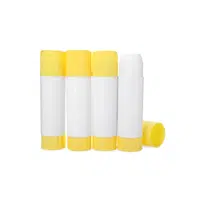
Glue Stick: Craft projects often require paper to be attached together.
A glue stick makes this task clean and easy. It is commonly used during art activities.
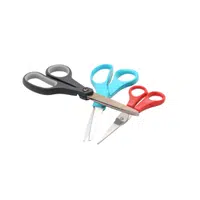
Scissors: Cutting paper and craft materials becomes simple with scissors.
They help create shapes and designs neatly. Art and project work often involve them.
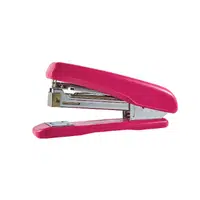
Stapler: Several sheets can be joined together with a stapler.
It keeps important papers organized. Teachers and students use it regularly.
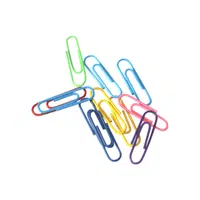
Paper Clips: Temporary paper organization becomes easier with paper clips.
They hold pages together without damaging them. They are useful for notes and assignments.
Art and Drawing Supplies Names and Uses
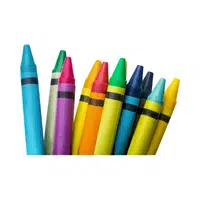
Crayons: Bright colors make drawings more attractive.
Crayons help children color pictures creatively. They are popular in art classes.
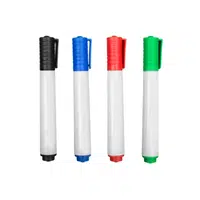
Markers: Bold and colorful writing stands out with markers.
They are useful for posters and headings. Many students use them during presentations.
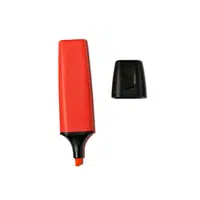
Highlighter: Important information can be marked quickly with a highlighter.
This makes studying and revision easier. Students often use it in textbooks and notes.
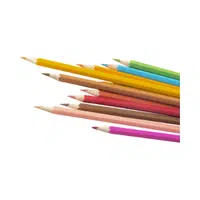
Colored Pencils: Adding detail to artwork becomes easier with colored pencils.
They offer better control than crayons. They are commonly used for drawing and shading.
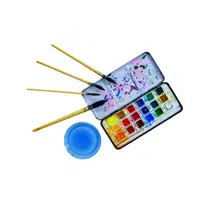
Watercolor Paints: Beautiful paintings can be created with watercolor paints.
They blend smoothly with water. Art lessons often include this material.
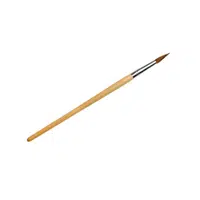
Paint Brushes: Paint cannot be applied properly without brushes.
Different brush sizes create different effects. They are useful for detailed artwork.
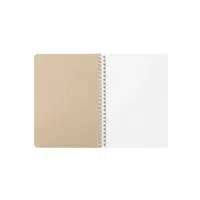
Sketchbook: Creative ideas can be collected in a sketchbook.
It provides space for drawing and practicing art. Many students carry one for art projects.
Classroom Equipment and Learning Tools
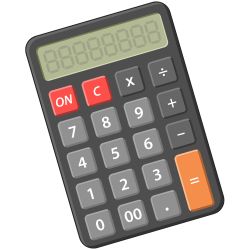
Calculator: Math calculations can be completed faster with a calculator.
It helps solve complex problems accurately. Students often use it in higher grades.
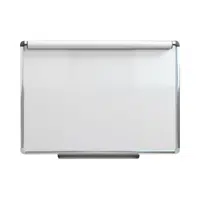
Whiteboard: Lessons are often displayed on a whiteboard.
It provides a large writing surface for teachers. Classroom explanations become easier to follow.
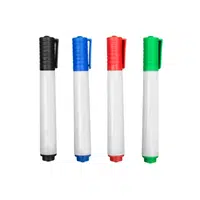
Whiteboard Markers: Writing on a whiteboard requires special markers.
They create clear text that can be erased easily. Teachers use them throughout the school day.
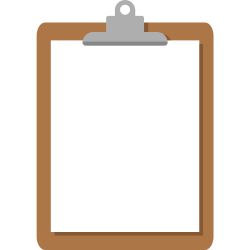
Clipboard: Writing becomes easier without a desk when using a clipboard.
It provides a firm surface underneath the paper. It is useful during outdoor activities and surveys.

Sticky Notes: Quick reminders can be written on sticky notes.
They can be attached to books and notebooks. Many students use them while studying.
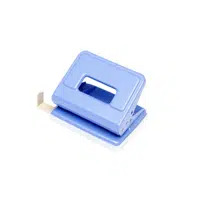
Hole Punch: Papers can be prepared for binders with a hole puncher.
It creates neat holes in seconds. Organized files often require it.
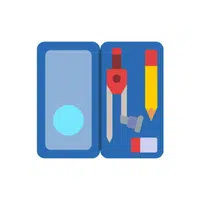
Geometry Set: Drawing shapes and measuring angles requires several tools.
A geometry set includes items like a ruler, compass, and protractor. It is important for mathematics classes.
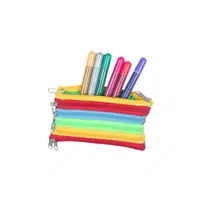
Pencil Case: Small stationery items need a safe place for storage.
A pencil case keeps everything organized. Students carry it every day.
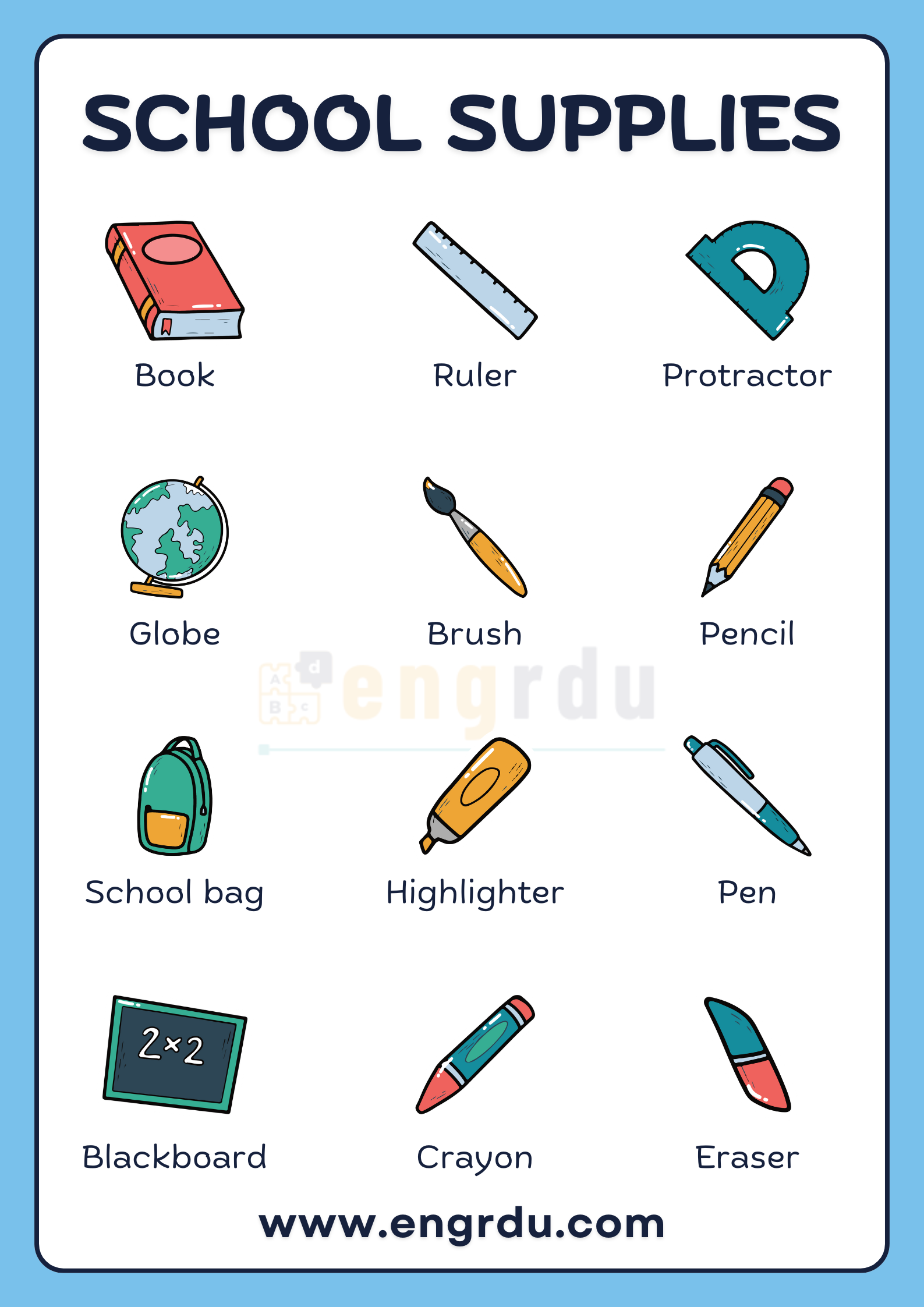
School Supplies Vocabulary with Pictures
Tips to Remember School Supplies Vocabulary
Learning classroom vocabulary becomes easier when you connect words with real objects.
Try these methods:
- Label school items in English.
- Use flashcards with pictures.
- Practice speaking the names daily.
- Group similar items together.
- Watch educational videos in English.
- Use new words in sentences.
Download the School Supplies Vocabulary PDF:
You May Also Like:
FAQs about School Supplies
What are school supplies?
School supplies are items students use for writing, learning, drawing, organizing, and completing classroom activities.
Why is school supplies vocabulary important?
It helps learners understand classroom instructions, improve communication, and talk about everyday school objects confidently.
What is the difference between a notebook and a binder?
A notebook contains pages for writing notes, while a binder stores loose papers in an organized way.
Which school supply is used for measuring?
A ruler is commonly used to measure length and draw straight lines in school activities.
What are examples of stationery items?
Pencils, pens, erasers, rulers, markers, folders, and notebooks are common stationery items used at school.
Why do students use highlighters?
Highlighters help mark important information, making revision and studying more effective.
What is a geometry set?
A geometry set contains tools such as a ruler, compass, and protractor for drawing shapes and measuring angles.
How can I learn school supplies vocabulary faster?
Practice with pictures, use flashcards, label classroom objects, and use the words regularly in conversations.




Leave a Comment