Have you ever walked into a workshop and heard names like pliers, hacksaw, or wrench without knowing what they actually do? Learning Hand Tools Names helps English learners understand everyday vocabulary used in construction, repairs, woodworking, and home improvement tasks.
Whether you enjoy DIY projects, work in a garage, or want to improve workplace English, knowing common hand tools makes conversations easier. This article covers a detailed hand tools list, including workshop tools, construction hand tools, and practical examples used in daily situations.
What Are Hand Tools?
Hand tools are tools operated by hand instead of electricity or batteries. People use them for repairing, building, measuring, cutting, tightening, and shaping materials.
You can find these tools in homes, workshops, construction sites, garages, and factories. Many DIY hand tools are also part of basic household toolkits.
Why Learning Hand Tools Vocabulary Matters
Knowing tool names improves communication in workplaces and daily conversations. It also helps English learners and workers to understand manuals, safety instructions, and repair videos more easily.
For workers in carpentry, maintenance, mechanics, or construction, tool vocabulary is part of everyday English.
Common situations where tool vocabulary is useful:
- Asking for tools at work
- Understanding repair instructions
- Shopping for workshop tools
- Following DIY tutorials
- Reading safety labels
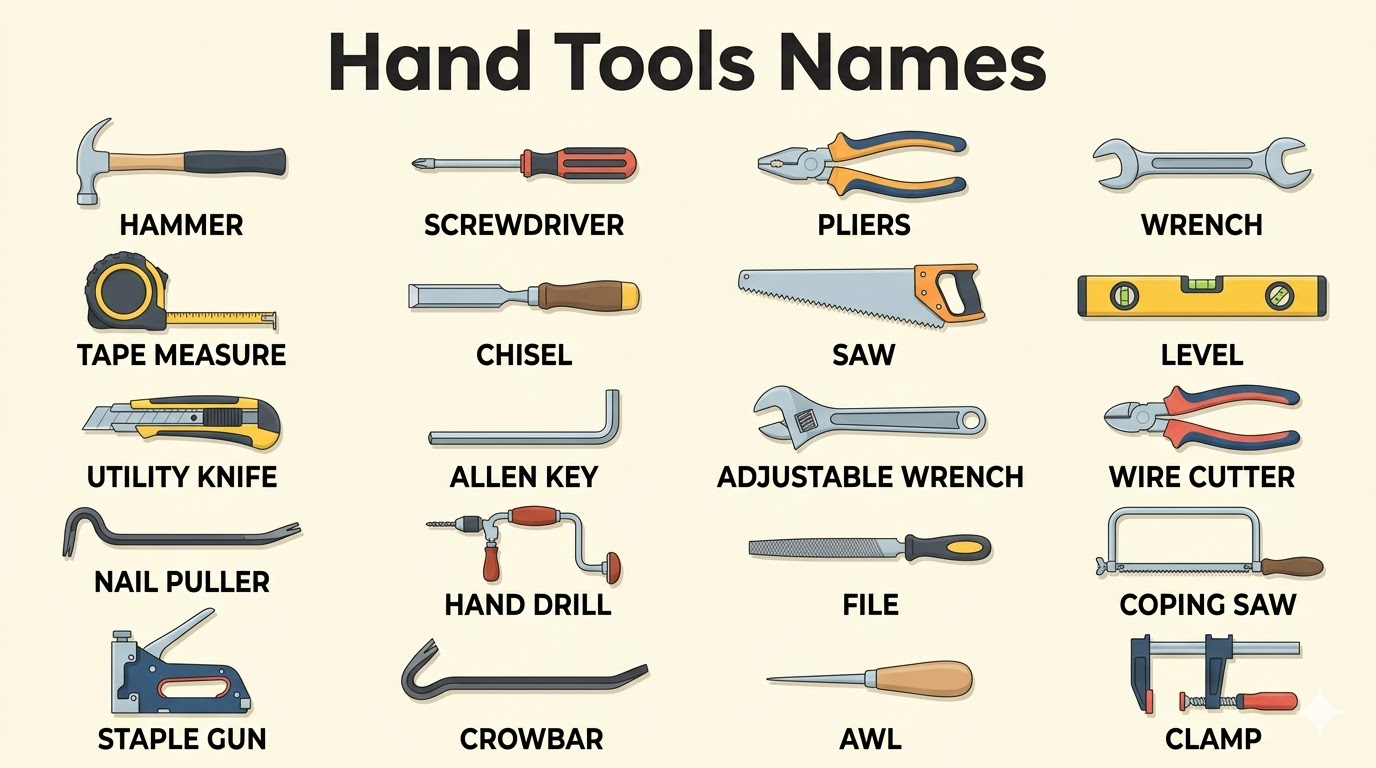
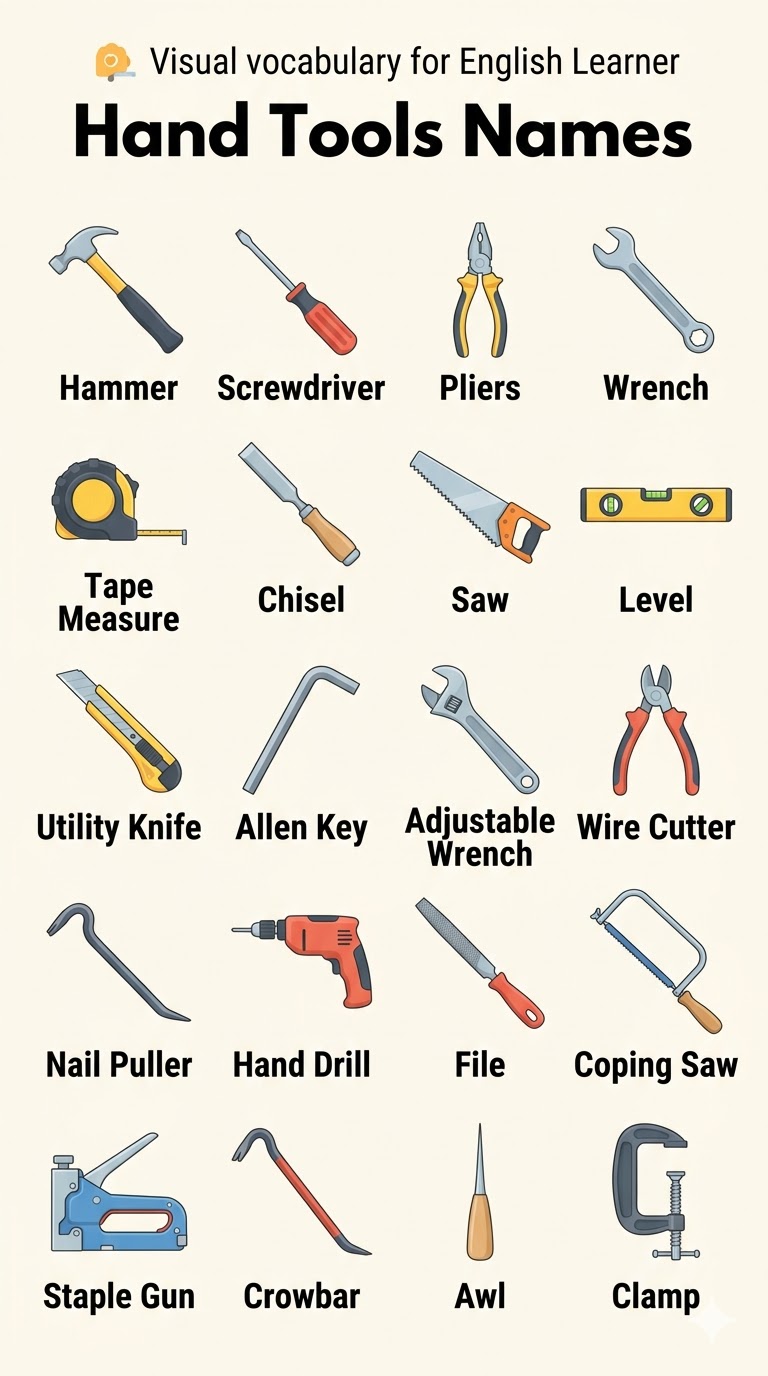
Common Hand Tools Names and Pictures
The below-listed tools are the common hand tools that help people repair, build, measure, cut, and assemble materials during daily workshop and maintenance tasks.
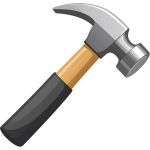
Hammer
Drives nails into wooden surfaces and helps break, shape, or remove construction materials safely.
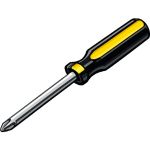
Screwdriver
Tightens or loosens screws during furniture assembly, repairs, electrical work, and household maintenance tasks.
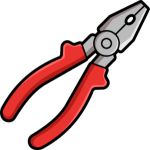
Pliers
Grips, twists, bends, and cuts wires or small objects during repair and electrical work.
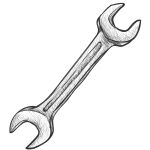
Wrench (Spanner)
Tightens or loosens nuts, bolts, and pipe fittings in mechanical and plumbing applications.
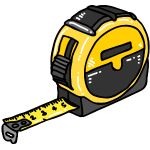
Tape Measure
Measures length, width, height, and distance accurately during construction, decoration, and furniture installation projects.
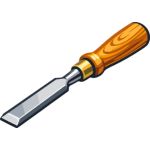
Chisel
Cuts, carves, and shapes wood, metal, or stone surfaces during woodworking and masonry tasks.
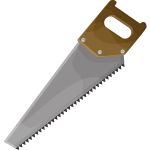
Saw
Cuts wood, plastic, or metal materials into smaller pieces for construction and repair purposes.
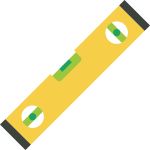
Level
Checks surface alignment to ensure objects remain perfectly horizontal or vertical during installation work.
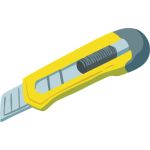
Utility Knife
Cuts cardboard, plastic, rope, wallpaper, and packaging materials cleanly during workshop and household tasks.
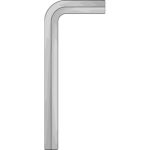
Allen Key (Hex Key)
Tightens hexagonal screws and bolts commonly found in furniture, bicycles, and machinery equipment assemblies.
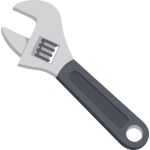
Adjustable Wrench
Adjusts jaw size easily for tightening or loosening different nuts and bolt sizes accurately.
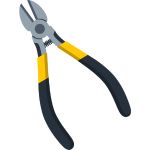
Wire Cutter
Cuts electrical wires, cables, and thin metal materials cleanly during electrical and repair tasks.
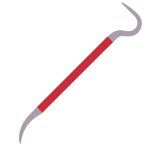
Nail Puller (Claw Tool)
Removes embedded nails from wooden surfaces without causing major surface damage during repairs.
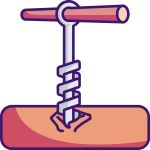
Hand Drill
Drills small holes manually into wood, plastic, or soft metal materials without electricity usage.
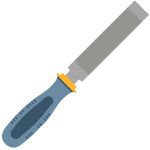
File
Smooths rough edges and shapes metal, wood, or plastic surfaces after cutting or shaping tasks.
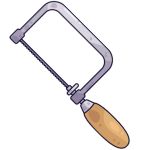
Coping Saw
Cuts detailed curves and intricate shapes in wood, plastic, and thin decorative materials accurately.
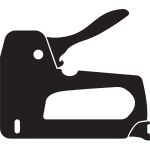
Staple Gun
Fastens fabric, paper, insulation, or plastic materials securely onto wooden or solid surfaces quickly.
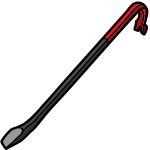
Crowbar (Pry Bar)
Pulls nails apart and lifts heavy objects during demolition and construction repair work safely.
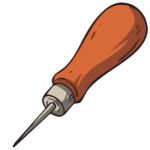
Awl
Creates small holes in leather, fabric, or wood for stitching and marking purposes accurately.
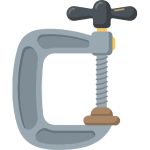
Clamp
Holds materials firmly together during cutting, gluing, drilling, or assembly work to prevent movement.
Cutting Tools and their Uses
Cutting tools help workers cut wood, metal, plastic, and other materials during repair and construction work safely.
Handsaw
Used for cutting wood and branches manually during carpentry and household repair projects.
Hacksaw
Helps cut metal pipes, rods, and plastic materials using a thin sharp blade carefully.
Coping Saw
Often used for cutting curved shapes and detailed patterns in wood or plastic materials.
Utility Knife
Useful for cutting cardboard, rope, plastic, and packaging materials during workshop or repair tasks.
Tin Snips
Workers use tin snips to cut thin metal sheets during roofing and metal repair jobs.
Wood Chisel
Carpenters use wood chisels for shaping, trimming, and carving wooden surfaces neatly and accurately.
Bolt Cutter
Designed for cutting thick chains, wires, locks, and metal rods with strong cutting force.
Glass Cutter
Used for marking glass surfaces before breaking them into smaller or custom-sized pieces safely.
Different Striking Hand Tools
Striking hand tools help workers drive nails, break materials, and shape surfaces during repair and construction tasks.
Hammer
People use hammers for driving nails, fixing wooden items, and small repair work at home.
Mallet
A mallet gently taps wood, tiles, or furniture parts without damaging the material surface.
Axe
Commonly used for chopping wood, cutting branches, and outdoor work like camping or gardening.
Mace Hammer
Workers use mace hammers for breaking bricks, concrete, and hard construction materials during demolition tasks.
Punch Tool
Helps create small marks or starter holes before drilling into wood or metal surfaces.
Names of Fastening Hand Tools
Fastening hand tools help tighten, loosen, and secure screws, bolts, nuts, and fittings during repair and installation work. These tools improve grip, control, and accuracy in mechanical, electrical, and construction tasks.
Screwdriver
Helps tighten or remove screws while assembling furniture or repairing household appliances and switches.
Wrench
Commonly used for loosening or tightening nuts and bolts during plumbing and mechanical work.
Adjustable Wrench
Fits different bolt sizes easily, making repair and maintenance work faster and more convenient.
Allen Key
Frequently used for tightening hex screws in bicycles, furniture, and machine equipment assembly work.
Ratchet Wrench
Makes bolt tightening and removal faster without repositioning the tool after every turn repeatedly.
Nut Driver
Helps tighten small nuts and bolts during electrical repairs and light maintenance work easily.
Torque Wrench
Applies proper pressure on bolts to avoid over-tightening during automotive and machine repair tasks.
Pliers
Useful for gripping, bending, twisting, and cutting wires during electrical and repair work projects.
Pipe Wrench
Plumbers use pipe wrenches for gripping and turning metal pipes during installation and repair tasks.
Crimping Tool
Electricians use crimping tools to attach wire connectors securely for safer electrical connections.
Hand tools for Measuring and Layout
Measuring and layout tools help workers mark, measure, and align materials accurately before cutting or installation work. These tools improve precision and reduce mistakes during construction, woodworking, and repair tasks.
Screwdriver
People use screwdrivers to tighten or remove screws while fixing furniture, appliances, and electrical switches at home.
Wrench
A wrench helps tighten or loosen nuts and bolts during plumbing, bicycle, and machine repair work.
Adjustable Wrench
This wrench adjusts easily to different bolt sizes, making repair and maintenance tasks more convenient.
Allen Key
Allen keys are commonly used for assembling furniture, repairing bicycles, and tightening hex-shaped screws safely.
Ratchet Wrench
Mechanics use ratchet wrenches to remove bolts quickly without repositioning the tool after every turn.
Nut Driver
Nut drivers help tighten small nuts and bolts during electrical repairs and light mechanical maintenance work.
Torque Wrench
This tool applies the correct tightening pressure to bolts, helping prevent damage in automotive repair tasks.
Pliers
Pliers help hold, bend, twist, and cut wires during electrical work, repairs, and small workshop projects.
Pipe Wrench
Plumbers use pipe wrenches to grip and turn metal pipes during installation and repair work safely.
Crimping Tool
Electricians use crimping tools to attach wire connectors securely for safe and reliable electrical connections.
Hand Tools Used for Gripping and Holding
Gripping and holding tools used to keep materials steady during cutting, drilling, bending, and repair work. These tools improve control, safety, and accuracy while working on different projects.
Pliers
Electricians and repair workers use pliers for gripping, twisting, bending, and cutting wires easily.
Clamps
Clamps hold wood, metal, or materials tightly during gluing, drilling, or assembly work safely.
Vise/Bench Vise
A bench vise keeps materials steady while cutting, filing, shaping, or repair work continues.
Pipe Clamp
Plumbers use pipe clamps to hold pipes firmly during installation, welding, and maintenance tasks.
Tweezers
Tweezers help pick up tiny objects carefully during electronics work, crafting, and grooming activities.
Tongs
People use tongs for safely holding hot objects during cooking, grilling, and workshop handling tasks.
Common Tools for Drilling and Boring
Drilling and boring tools create holes in wood, metal, plastic, and other materials during repair and construction work. These tools help improve accuracy and make installation or assembly tasks easier.
Hand Drill/Brace and Bit
Used for drilling holes manually into wood during carpentry and furniture repair work.
Auger Bit
Carpenters use auger bits for drilling deep, clean holes into thick wooden surfaces easily.
Gimlet
A gimlet makes small starter holes in wood before inserting screws or nails carefully.
Countersink Tool
Creates smooth recessed holes so screw heads sit flat inside wooden or metal surfaces.
Twist Drill
Commonly used for drilling accurate holes into wood, plastic, and thin metal materials safely.
Tools for Surface Cleaning and Preparation
Tools for surface cleaning and preparation help remove rust, paint, dust, and rough layers before repair or finishing work. These tools improve surface quality and make painting, polishing, or welding tasks easier.
File/Rasp
Smooths rough wood or metal edges during shaping, repair, and finishing work projects neatly.
Sanding Block
Helps smooth wooden surfaces evenly before painting, polishing, or furniture finishing work begins.
Scraper
Removes old paint, putty, or sticky material from surfaces during repair and cleaning tasks.
Wire Brush
Cleans rust, paint, and dirt from metal surfaces before welding or repair work safely.
Spokeshave
Woodworkers use spokeshaves for shaping curved wooden surfaces smoothly during furniture and carving projects.
Plane
Smooths and levels wooden surfaces during carpentry and furniture-making work accurately.
Specialty Hand Tools and Their Uses
Specialty hand tools are made for specific repair, electrical, plumbing, and woodworking tasks. They help workers complete detailed jobs more accurately, safely, and efficiently.
Crowbar/Pry Bar
Builders use crowbars for pulling nails and separating wooden boards during demolition work safely.
Nail Puller/Claw Tool
Removes stuck nails from wood surfaces during furniture repair and construction maintenance tasks easily.
Awl/Scratch Awl
Creates small holes and marking lines on wood, leather, or fabric before drilling or stitching.
Punch/Center Punch
Makes clear starter marks on metal surfaces before drilling holes accurately and safely.
Hacksaw Frame
Holds the hacksaw blade firmly while cutting metal pipes, rods, and plastic materials smoothly.
Hand Crank Grinder
Sharpens tools and smooths metal surfaces using manual rotating movement during workshop repair tasks.
Staple Gun/Tack Gun
Fastens fabric, paper, and insulation materials onto wooden surfaces during repair and decorating work.
Multi-tool (Pocket Knife/Leatherman style)
Combines useful tools for cutting, opening, repairing, and small outdoor maintenance tasks conveniently.
Clamp Meter/Hand Testing Tools
Electricians use these tools to measure electrical current and test wiring connections safely.
You may also like:
Hand Tools Safety Tips
Using hand tools safely helps prevent injuries and improves work quality during repair tasks.
- Wear gloves and safety glasses while working.
- Keep tools clean and dry after use.
- Store sharp tools carefully and safely.
- Check damaged tools before starting work.
- Use the right tool for each task.
- Avoid loose clothing near sharp tools.
FAQs
What are the most common hand tools?
The most common hand tools include hammers, screwdrivers, pliers, wrenches, saws, tape measures, clamps, and utility knives used in homes and workshops.
Why are hand tools important?
Hand tools help people repair, build, measure, cut, and assemble materials without electricity. They are widely used in construction, maintenance, and household tasks.
What tool is used to tighten bolts?
A wrench or socket wrench is commonly used to tighten and loosen bolts in mechanical, plumbing, and construction work.
Which hand tool is used for cutting wood?
A handsaw, coping saw, or wood chisel is often used for cutting and shaping wood in carpentry and furniture projects.
What are DIY hand tools?
DIY hand tools are manually operated tools used for home repairs, decorating, furniture assembly, gardening, and small building projects.
What is the difference between pliers and wrenches?
Pliers grip and hold objects, while wrenches tighten or loosen nuts, bolts, and pipe fittings.
Which tools do electricians use most?
Electricians often use wire strippers, insulated screwdrivers, voltage testers, cable cutters, and crimping tools for electrical work.
How can I learn hand tools vocabulary faster?
Practice tool names with pictures, workplace conversations, DIY videos, and daily examples to remember vocabulary more naturally.